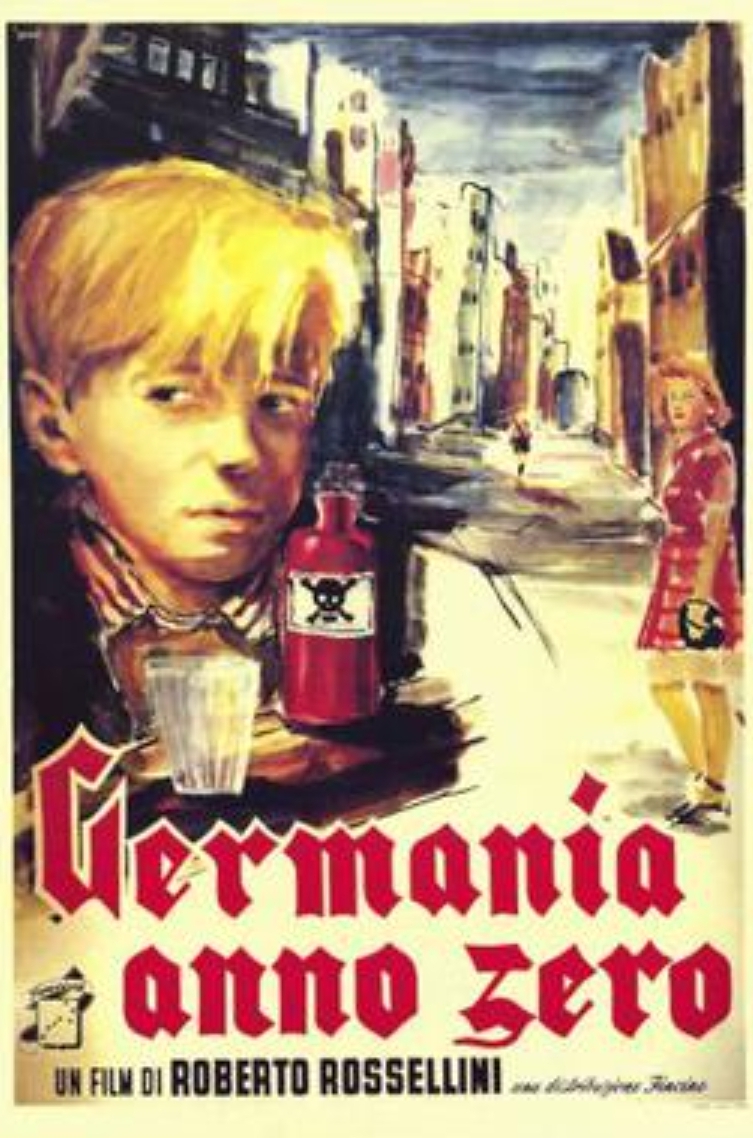
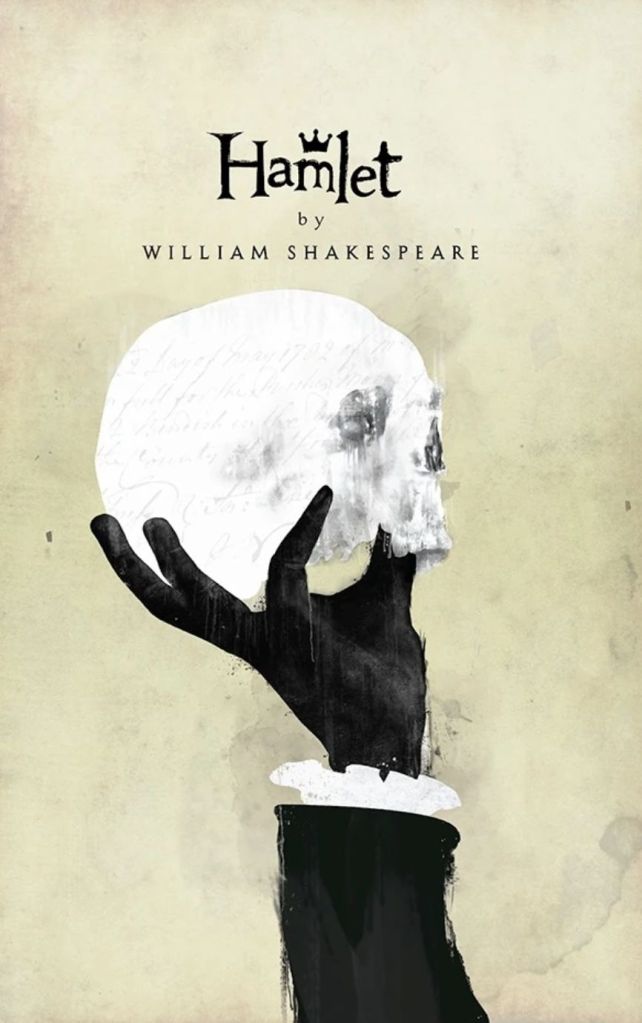
It is well known that the English bard lost his eleven-year-old son, Hamnet, in August 1596—some time before writing his most famous play, “Hamlet“. The striking similarity between the names sparked speculation regarding the work’s meaning and if it was shaped by the profound heartache of such a loss. Although the narrative unfolds within a predominantly political context—the protagonist, Prince Hamlet of Denmark, consumed by insurmountable grief and bitterness, and driven by an insatiable thirst to avenge his father’s murder—the question remains: Who is Hamlet? Is he merely a son seeking to redress his father’s death, or a son who also deems himself unworthy of continuing to live?
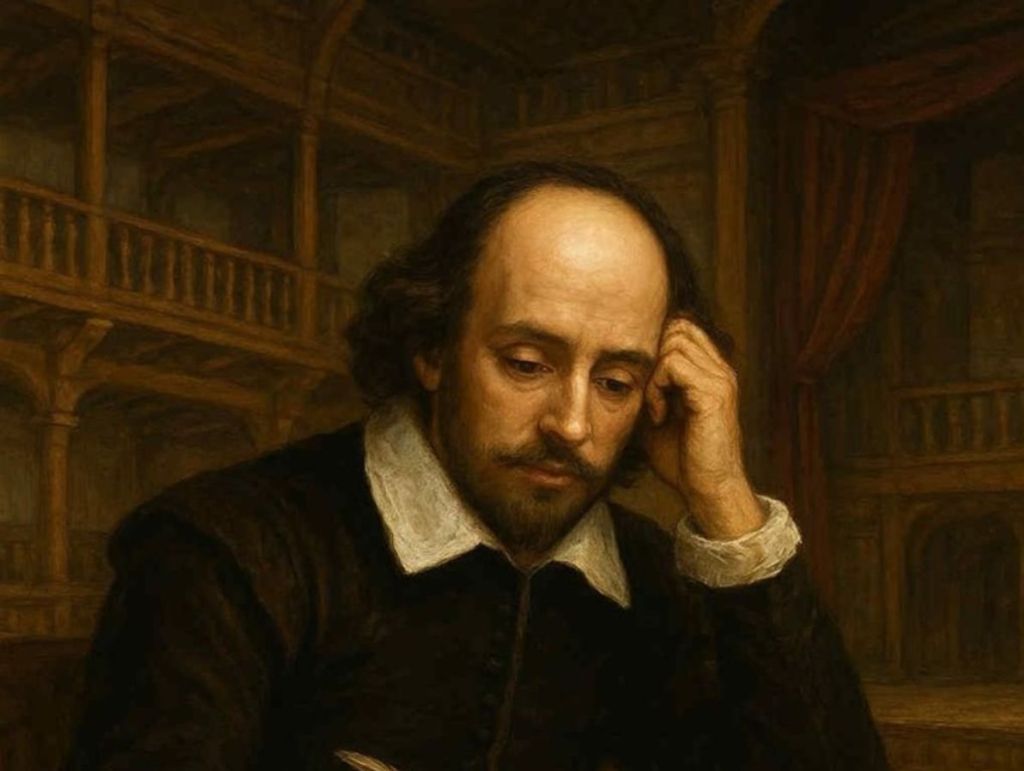
The pain of a prematurely severed parent-child bond is undoubtedly the central theme of this magnificent tragedy. Does Hamlet feign madness, or does he truly lose his mind? Madness acts as the true supporting player to Hamlet the protagonist and Shakespeare the playwright. Indeed, both descend into madness, and the resulting fury is so devastating that everyone must die, except for a single character, spared to tell the tale.
Roberto Rossellini lost his nine-year-old son, Romano, in August 1946 due to complications from acute appendicitis. A year later, in the summer of 1947, Rossellini began filming in war-torn Berlin. The setting is bleak; the score, composed by his brother Renzo, is harrowing. “Germania anno zero” is dedicated to Romano. The plot seems to be complex, multidimensional, and multifactorial—like all wars—yet it eventually reveals its true core: the pain of a father-son bond cut short too soon. Edmond is a thirteen-year-old boy living amidst the ruins of a bombed building in a city divided and occupied by the four Allied powers: the United States, the United Kingdom, France, and the Soviet Union.
Edmond and his family’s living conditions are dire: a sick father, an older brother who is also a wartime fugitive, and a sister who keeps house by day and goes out at night to obtain marks and cigarettes from foreign men. Our young protagonist takes on the role of provider for a household devoid of food, electricity and hope. Naturally, he must contend with the oppression of a society in crisis, shattered by the war. He faces an unjust landlord, a former teacher who is a pederast, and petty criminals who are slightly older and more experienced than he is. In short, a myriad of adverse circumstances and misfortunes converge, ultimately playing out within the father-son relationship. Edmond is tragically convinced by his former Nazi teacher that only the strong can survive, and he comes to believe it is his responsibility, then, to relieve the suffering of his ailing, chronically complaining old man. He steals a vial of poison while visiting his father in the hospital and, upon the man’s return home, piously poisons him. Here, once again, madness acts as the true co-star alongside Edmond—the lead actor—and Rossellini, the filmmaker. Both attempt to reclaim the childhood stolen from them by the war and the loss of a child, respectively. Edmond eventually loses his mind and jumps from the ruined building.
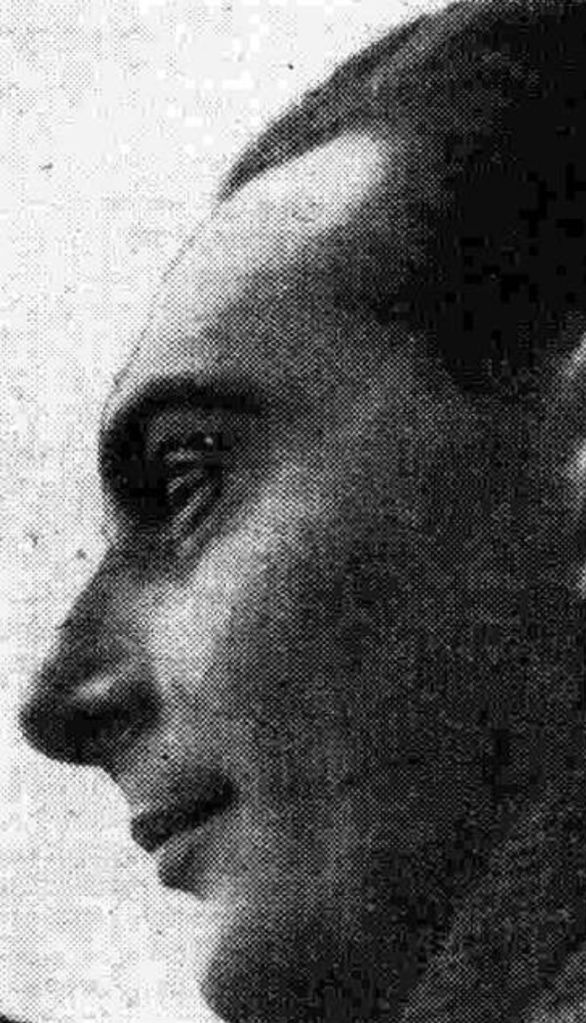
As Camus said: there is only one truly serious philosophical problem—that of suicide. The absurd; the silence and coldness of the world; the impossibility of discerning meaning or glimpsing a way out.


Leave a comment